The Honest Guide to Visiting Homer, Alaska for the First Time
Most Homer travel guides treat it like a day trip. Drive down, check the Spit, drive back.
It's not a day trip. It's five hours from Anchorage each way, and if you try to squeeze it into 24 hours you'll spend most of your time driving and leave wondering what the fuss was about.
The people who give Homer time are the ones who come back. This is the guide for those people.
What Homer actually is
Homer sits at the end of the Sterling Highway on the shores of Kachemak Bay — an extraordinarily rich marine estuary ringed by glaciers and mountains. The town is small (about 6,000 people year-round) but it punches far above its weight. Kachemak Bay is one of the most productive marine ecosystems in the world — puffins, sea otters, orcas, and bald eagles are just part of a typical day out on the water. A water taxi ride across the bay puts you in some of the most stunning wilderness hiking in Alaska. A creative community of artists, writers, and musicians chose to plant themselves at the end of the road on purpose, and it shows — in the galleries, the food, the general vibe of a place that takes pride in being exactly what it is. The restaurants here are genuinely good (the kind of good that surprises people). Floatplane access to Katmai National Park means world-class bear viewing is an hour from the Spit. And oh yeah — Homer is also the self-proclaimed Halibut Fishing Capital of the World, and the claim holds up.
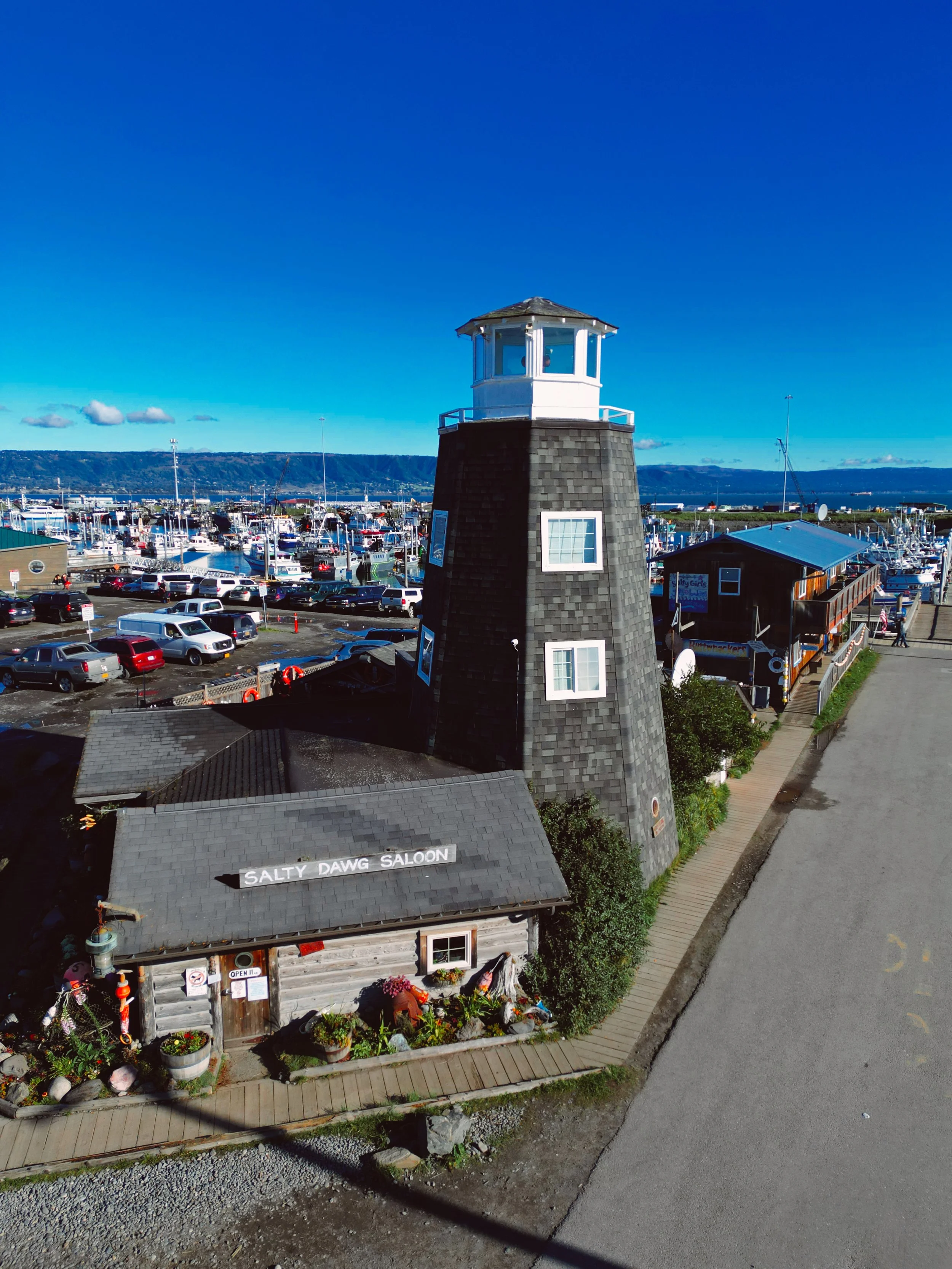
The Homer Spit — a 4.5-mile finger of land jutting into Kachemak Bay — is where most visitors spend their time, and honestly, it earns the reputation. Water taxis, eco tours, fishing charters, restaurants, shops, and the famously weathered Salty Dawg Saloon all cluster at the end of it. In summer, it buzzes with energy. In shoulder season, it's quieter and honestly more beautiful.
But if the Spit is all you see, you've missed half of Homer.
Pioneer Avenue — the main drag through town — has the kind of local shops, galleries, and restaurants that make you want to slow down and actually look around. The historic theater, a meadery pouring local honey wine, coffee shops full of people who moved here from somewhere else and never left. It has a genuine small-town Alaska feel that's easy to miss if you're just passing through on your way to the water.
And then there's the drive east. Head out East End Road or East Hill Road, and Homer opens up into something quieter and wilder — rolling hills, farms, spruce forest, and the kind of wildlife you don't find on the Spit. Moose are common enough that locals barely mention them. Sandhill cranes stop through on migration. Pull over almost anywhere, and you've got a view of the bay and the mountains that doesn't have a single other tourist in it. It's one of the best things to do in Homer, and almost nobody puts it in a guide.
How to get to Homer
Drive from Anchorage (recommended): The Sterling Highway from Anchorage to Homer is one of the most scenic drives in Alaska — Cook Inlet views, moose sightings, the Kenai River corridor threading through spruce forest and mountains. Plan for 5 hours without stops, 6-7 with them, and don't try to rush it.
Stop at the Alaska Wildlife Conservation Center just south of Anchorage — worth 90 minutes of your time, especially if you have kids. Pull over at Turnagain Arm for the views and, if you time it right, the bore tide. Then once you hit the Kenai Peninsula, don't blow past Cooper Landing. It's a tiny community right on the Kenai River where the fishing is legendary and the scenery is the kind that makes you pull over without planning to. Grab a coffee, watch the river, and remind yourself you're not in a hurry. From there, the highway winds south through Soldotna and Kenai — worth a short detour if you want to stretch your legs or grab lunch — before the final push down to Homer, where the road crests a hill, and Kachemak Bay opens up in front of you all at once.
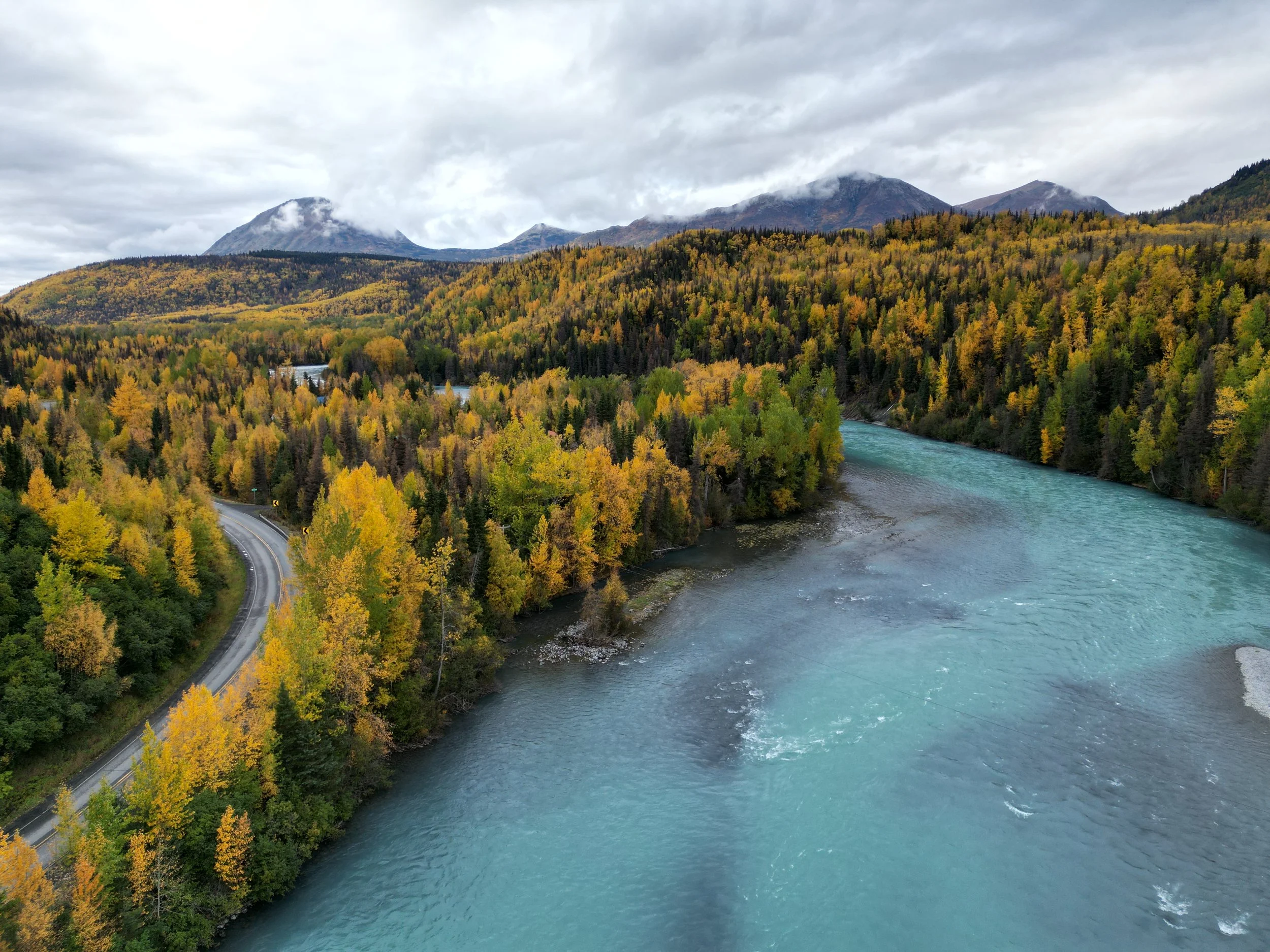
That moment is worth the whole drive.
Fly in: Aleutian Airways connects Anchorage to Homer, with the flight taking around 45 minutes. Schedules and availability can vary by season, so it's worth checking current options when you're planning. You'll need to rent a car once you arrive — Homer isn't walkable beyond the Spit and downtown.
Alternatively, some people fly into Kenai instead, which has its own airport and slightly more consistent service, then rent a car and drive the remaining hour or so down to Homer. Not a bad option if you want a little taste of the peninsula on the way in.
Alaska Marine Highway: The ferry is a beautiful way to arrive if you're combining Homer with Kodiak, but it's not a practical choice for most visitors.
When to visit Homer
May–June: Every season in Homer has something going for it, and May–June is no exception. The Kachemak Bay Shorebird Festival in May is one of Alaska's best wildlife events — thousands of shorebirds moving through, guided walks, the whole thing. Crowds haven't peaked yet, prices tend to be lower, and the light in June is extraordinary. Bear viewing and fishing charters fill up fast though, so book in advance even for shoulder season. Homer also comes alive with live music and local events through the summer — check our events page for what's on during your visit.
July–August: Peak season, full stop. Everything is running — bears are most active at Brooks Falls, halibut fishing is excellent, the peony farms scattered around Homer are in full ridiculous bloom, and Salmonfest brings great music and a very Homer kind of energy to town in early August. If you're visiting in July, book everything at least 6–8 weeks ahead. It fills up.
September: Genuinely underrated. Some tour operators and businesses start winding down by late September, but the ones that matter are still going — and what September offers in return is golden fall light, empty trails, beach campfire weather, and the bay and state park practically to yourself. It's one of the best months for hiking across the bay, exploring Seldovia, and just being outside without another soul around. The Anchor River steelhead run kicks off in late August and peaks through October — catch and release, artificial lures only, and one of the best river fishing experiences on the Kenai Peninsula.
October–April: Winter Homer is for people who genuinely want to unplug. Cross-country skiing, winter crabbing, the occasional northern lights show, and a community that becomes even warmer once the summer crowd heads home. Most tour operators run reduced schedules or close for the season, but the town itself is very much alive.
What to do in Homer — the real list
Bear viewing (book this first)
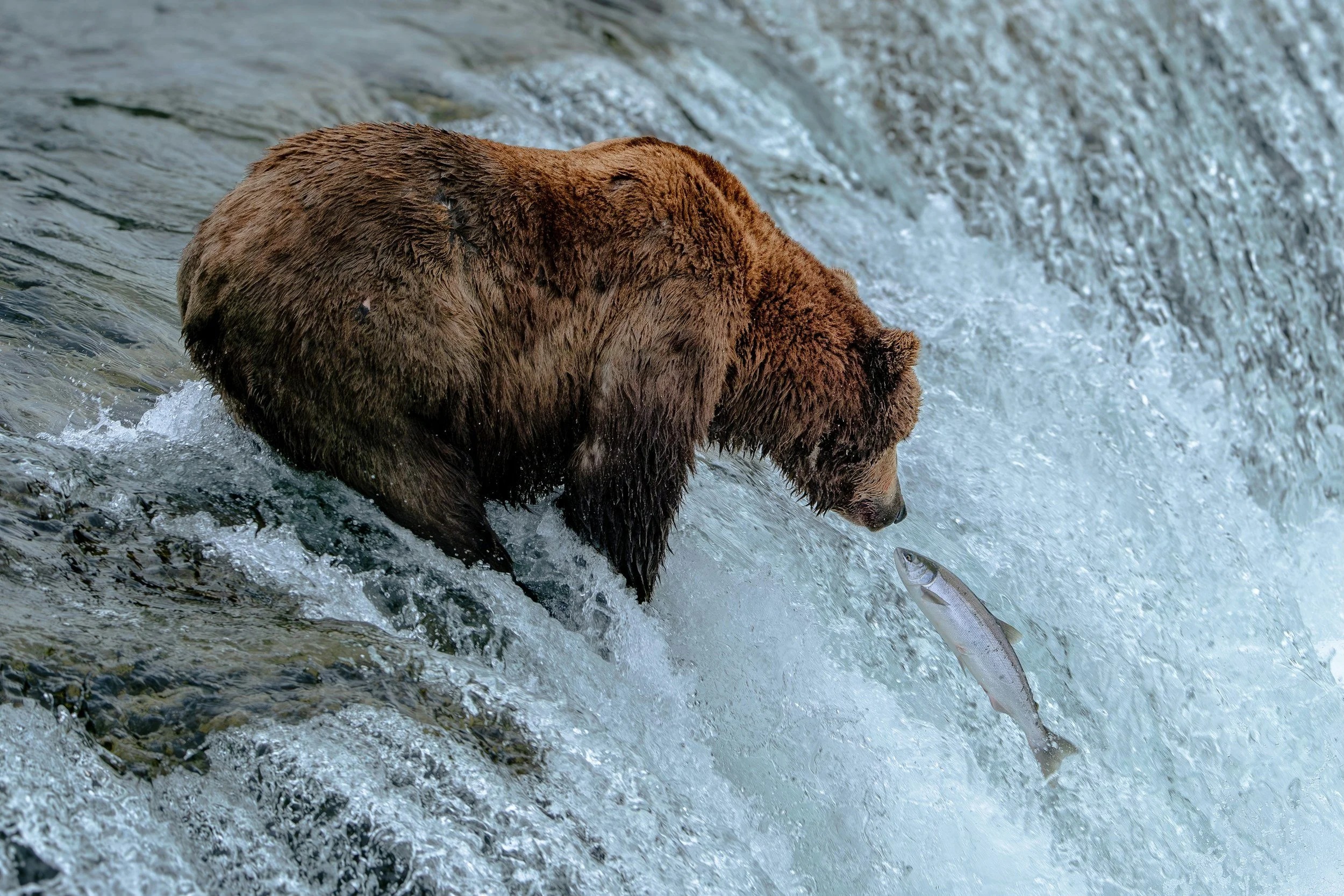
Flying out of Homer to watch coastal brown bears in Katmai National Park or Lake Clark is one of the most remarkable wildlife experiences available anywhere. The floatplane ride alone is worth it — you cross Cook Inlet at low altitude and land on a remote lake or airstrip surrounded by wilderness.
From Homer you have two main options with Emerald Air Service:
Guided expedition into Katmai — 8-9 hours, small group, naturalist guide leads you on foot through prime bear habitat. The most immersive option.
Brooks Falls self-guided trip — 7-8 hours, floatplane to the world-famous Brooks Falls where you watch bears catch salmon mid-air. More structured, ranger-led programs available on site.
Book these before you book anything else. They sell out.
Wildlife and eco-tours on Kachemak Bay
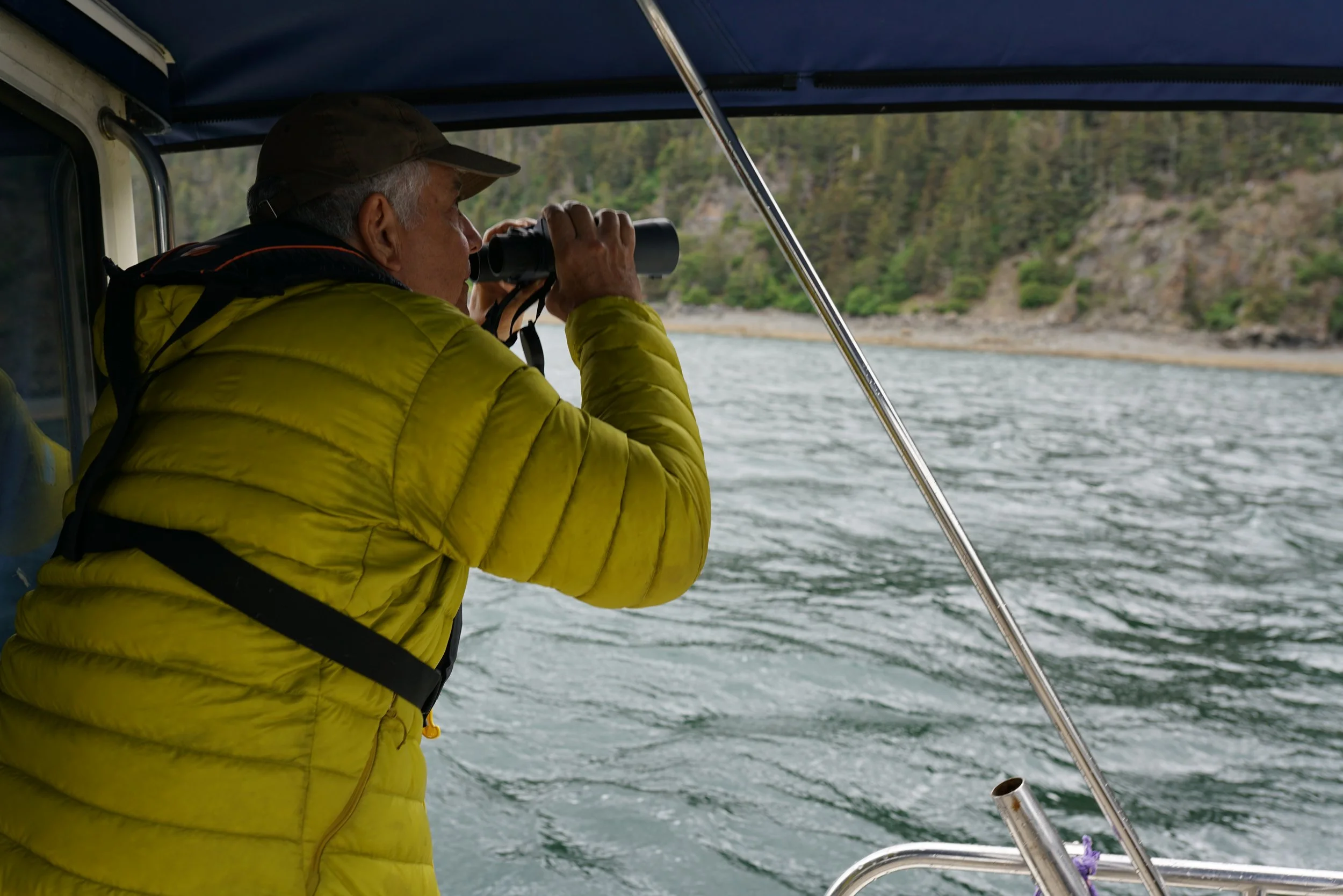
Kachemak Bay is one of the richest marine ecosystems in the world — puffins, sea otters, orcas, bald eagles, and more, all within minutes of the Homer Spit. The best way to experience it is with Tutka Tours, where Captain Scott's deep knowledge of the bay's ecology and natural history turns a boat ride into something genuinely educational and memorable.
Touring Kachemak Bay — 3.5 hours, small group, hits the highlights including Gull Island and Halibut Cove
Exploring Seldovia Bay — full day, the most complete bay experience available
Glacier hiking across the bay
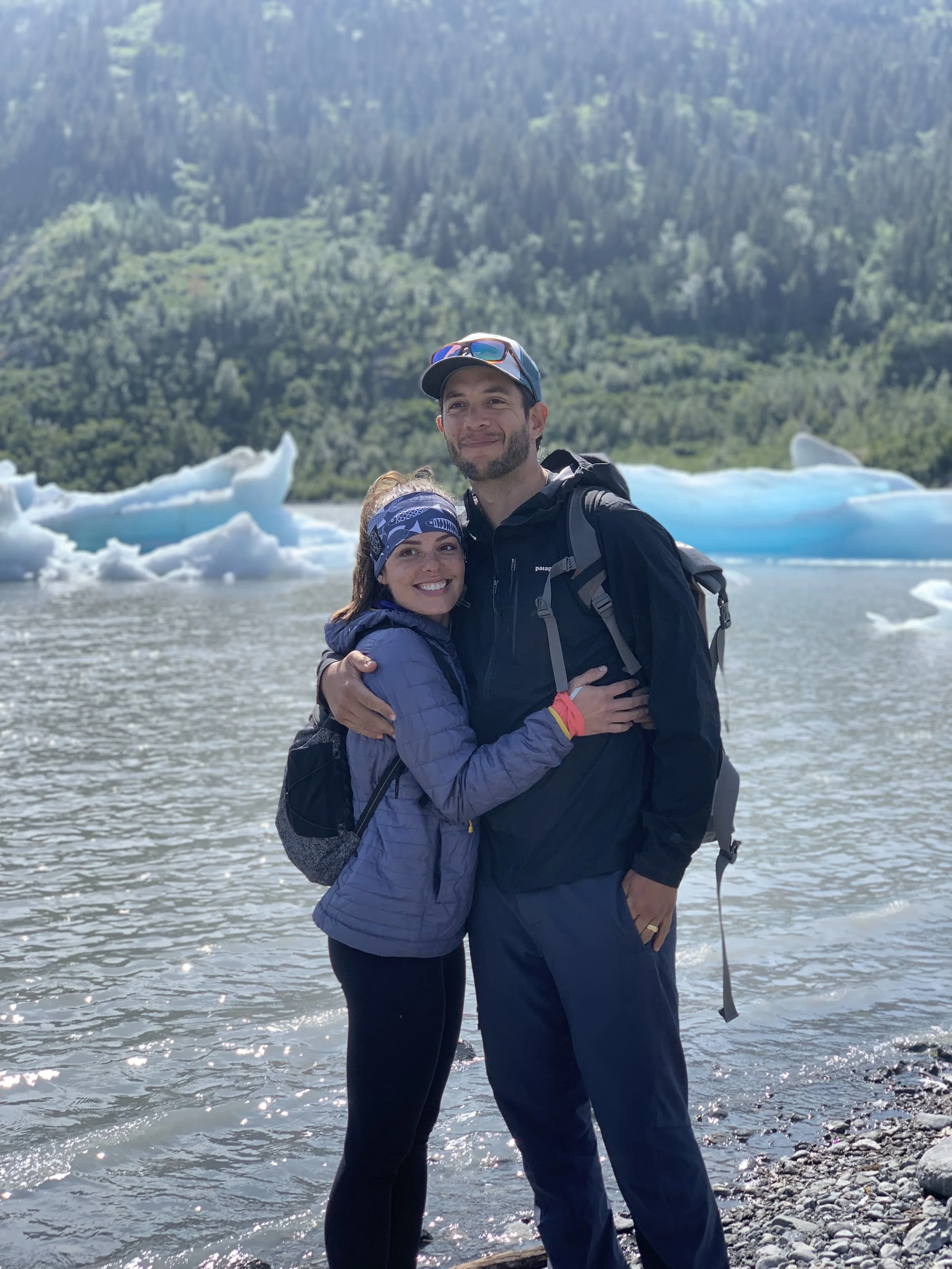
The trails in Kachemak Bay State Park are only reachable by water taxi — which makes them feel genuinely remote even though you're 20 minutes from the Spit. The Grewingk Glacier hike is the most popular for good reason: you walk to an iceberg-studded lake at the foot of a glacier, and the views are unlike anything in the lower 48.
Glacier Lake Trail with Mako's Water Taxi — half day, water taxi included, all skill levels
Water taxi with Coldwater Alaska — flexible, drop off and pick up at your chosen trailhead
Halibut fishing
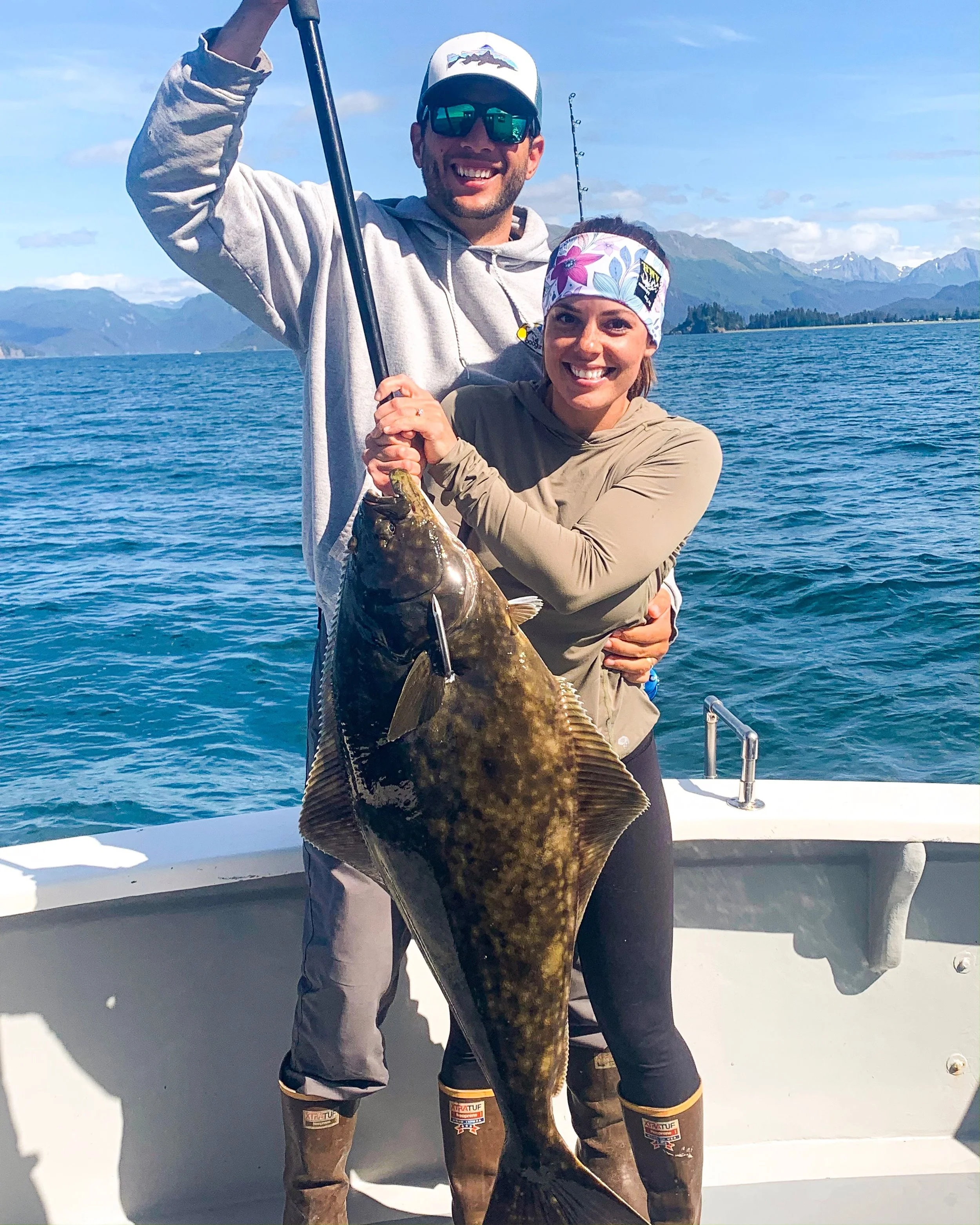
Homer is the self-proclaimed Halibut Fishing Capital of the World and the claim holds up. A full-day charter in Kachemak Bay targeting halibut — fish that regularly top 100 pounds — is a bucket-list Alaska experience. You don't need to be an experienced angler. The crews handle everything.
The Current Lady — halibut charter — full day, halibut and rockfish, all levels welcome
Triple combo — halibut, salmon, and rockfish — the full Alaska fishing experience in one day
The Homer Spit
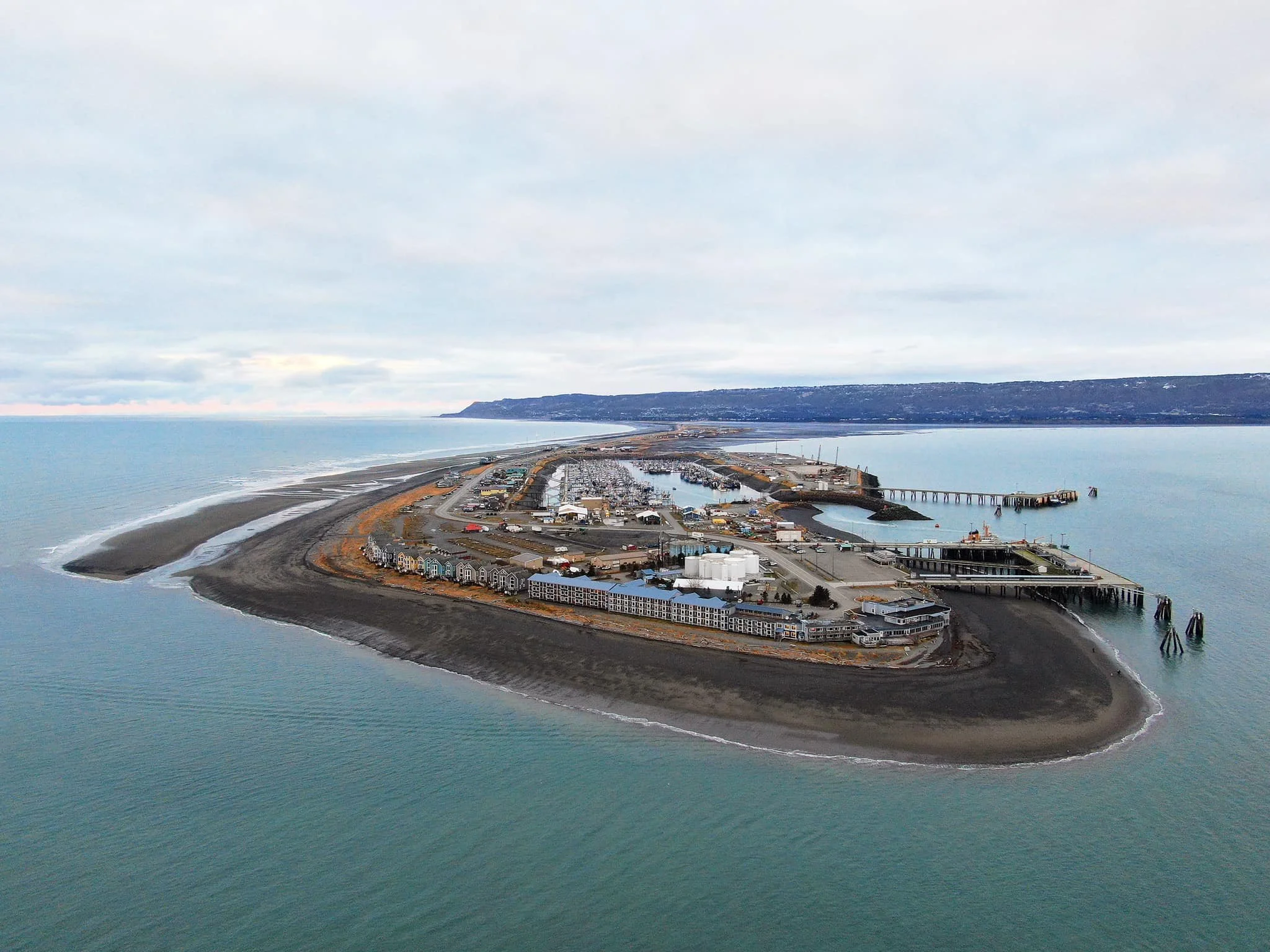
Walk the Spit. All 4.5 miles if you have the legs for it, or just the end section where everything clusters. Stop at Cove & Co. right behind the Salty Dawg for coffee, a smoothie, or the Tidepool Bowl before heading out on the water. Browse the shops, watch the fishing boats come in, and find a spot on the beach to just sit with the mountains across the bay. This is what people mean when they say Homer is special.
Homer’s Beaches

One more thing that gets overlooked: Homer has some of the best casual beach time in Alaska, and almost nobody plans for it. Bishop's Beach is a long, wild stretch of shoreline right in town — good for a morning walk, a low-tide explore, or just sitting with a coffee watching the mountains. Mariner Park is quieter and great for a picnic. And the Spit beach at the end of the day, when the charter boats are coming back in, and the light goes gold over the Kenai Mountains — that's when you light a bonfire, open something cold, and remember why people choose to live here. Bring matches. Bring snacks. Don't have anywhere to be.
Treat yourself at hothouse
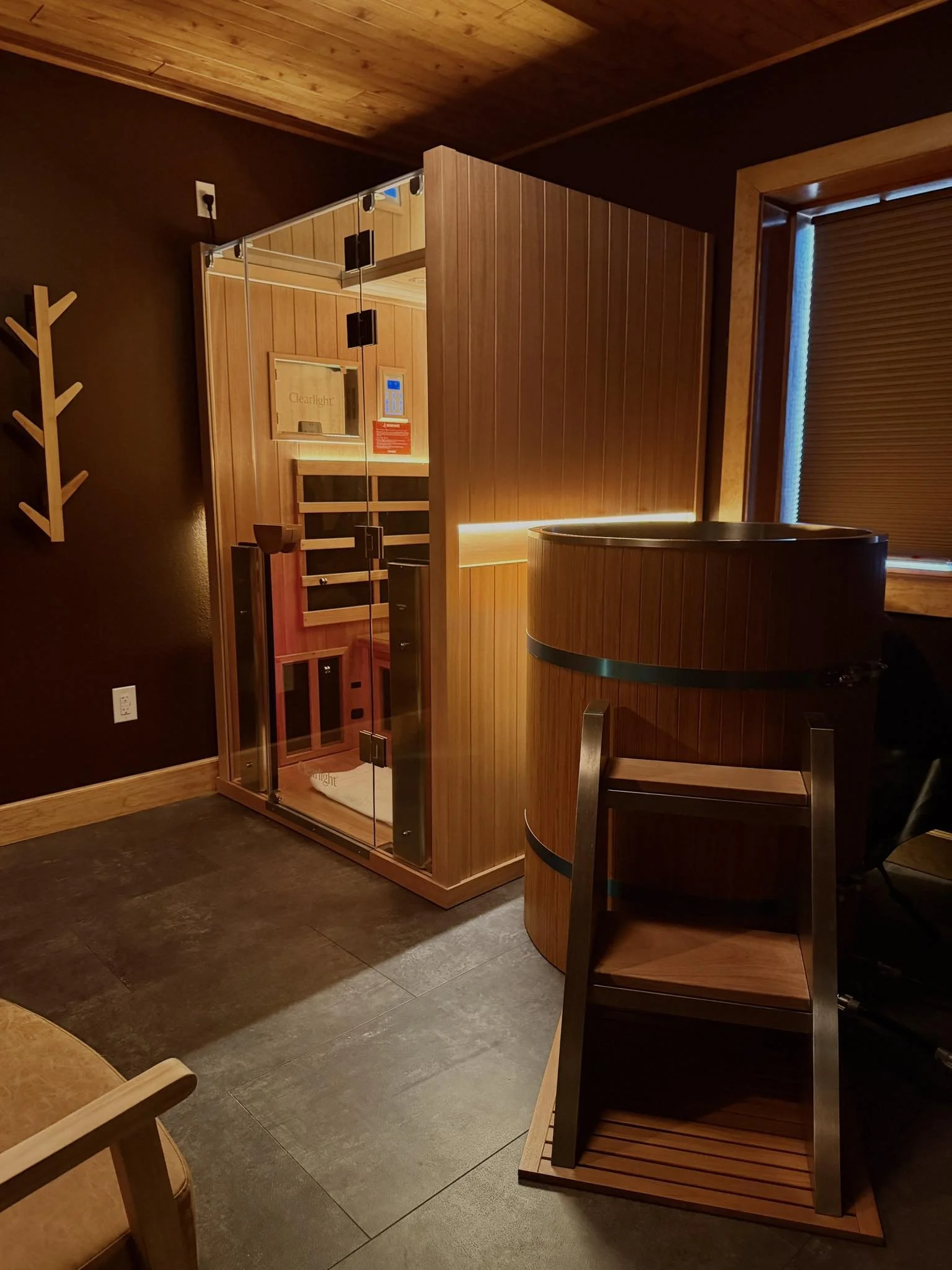
hothouse is Homer's new wellness center on Ocean Drive — infrared saunas, cold plunge, contrast therapy, and red light therapy. Perfect for a rainy day, a rest day between big adventures, or just because you want to feel good. Open Wednesday through Sunday, 10am–6pm. One of those things that surprises people — you don't expect a place like this in a small Alaska town, and it's genuinely excellent.
Where to eat
Cove & Co. — On the Spit, open from 5am in summer. Coffee, breakfast burritos, wellness bowls, smoothies, açaí bowls, and genuinely nourishing food. Perfect before an early water taxi or fishing charter. One of my businesses and one I'm proud of.

Two Sisters Bakery — Fresh pastries and bread every morning. A Homer institution. Get there early or the good stuff is gone.
The Twisted Goat — Great coffee, relaxed vibe, and the kind of place you end up staying longer than you planned. A solid downtown anchor.
Wild Honey Bistro — Warm, locally-sourced, and consistently one of the most satisfying meals in Homer. The kind of place that makes you understand why people move here.
The Kannery — The best dinner in Homer. Seasonal specials, beautiful cocktails, stunning bay views. Worth splurging on.
The Broken Oar — Great seafood with unbeatable views from the end of the Spit.
Finn's Pizza — Wood-fired pizza with a bay view. Casual, delicious, always reliable.
Alaska Shellfish Farms — Grab a dozen fresh oysters and eat them on the Spit. There is no better Homer lunch.
Carmen's Gelato — Handcrafted artisan gelato on the Spit, open until 11pm. People who've had gelato all over the world come here and say it's some of the best they've ever had. Get a scoop and sit on the beach. Non-negotiable.
Across the bay — worth the boat ride
The Saltry — One of the most unique dining experiences in Alaska, full stop. Located on Ismailof Island in Halibut Cove, you take the Danny J ferry from the Spit to get there — and the trip over is half the experience. Fresh seafood, Kachemak Bay oysters, and a setting that's been earning its reputation since 1984. Open late May through early September, reservations required.
The Meandering Goat — Fine dining across the bay, reached by water taxi from the Spit. Local flavors, fresh-caught seafood, and mountain views that make the whole evening feel like an event. Open June 2026. Reservations required — book a water taxi when you call.
Check out a full list of recommendations of food & drink here.
Where to stay
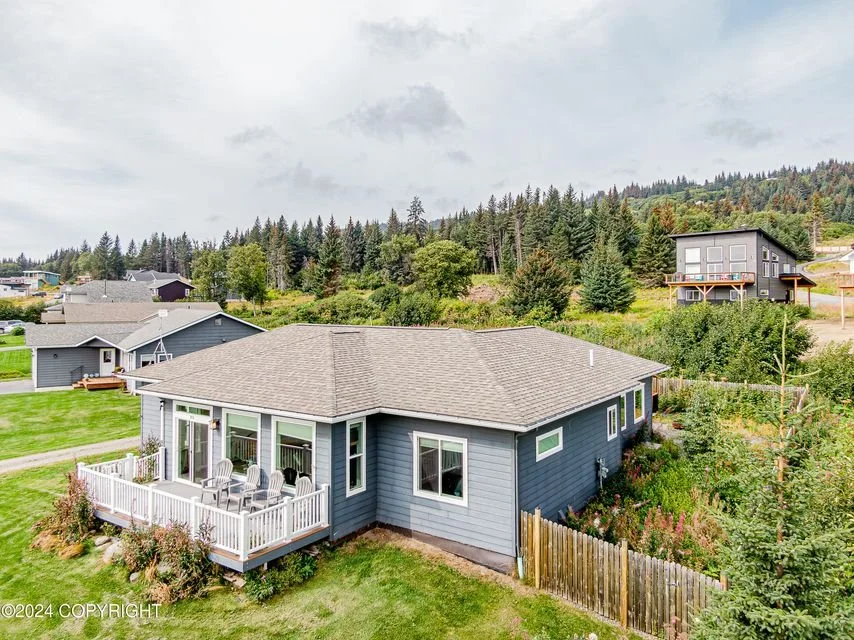
Our cozy oceanview retreat — A lovely, centrally-located 3-bedroom home with breathtaking bay views, a fully equipped kitchen, and easy beach access. Bonus, there’s a ping pong table, a spare freezer in the garage for your catch, and a grill and firepit in the backyard.
Mountain to Sea Panorama — A stunning 3-bedroom home with massive glacier and ocean views over Kachemak Bay, walking trails out the door, and a fire pit for evenings. This is a big property that you’ll want to make yourself right at home in.
WestWind Cabins — Four beautifully designed cabins on West Hill Road with serious bay views, and the kind of detail that makes you feel like someone actually thought about your stay. The shared spa — hot tub, wood-fired sauna, cold plunge — is genuinely special, especially after a long day on the water. A great option if you want something a little more tucked away.
Honest packing list
Layers always. Even in July, Homer mornings can be 45°F and an afternoon hike across the bay can turn cold fast. A fleece, a waterproof shell, and warm socks are non-negotiable.
Waterproof boots or rubber boots. The trails across the bay are muddy. Bishop's Beach at low tide is muddy. Embrace it.
Binoculars. You will use them constantly — sea otters, eagles, puffins, whales. Borrow or buy a decent pair before you arrive.
A dry bag. For water taxis and kayaking. Your phone will thank you.
Seasickness medication. If you're prone, take it before your fishing charter. The bay can be choppy.
The honest truth about Homer
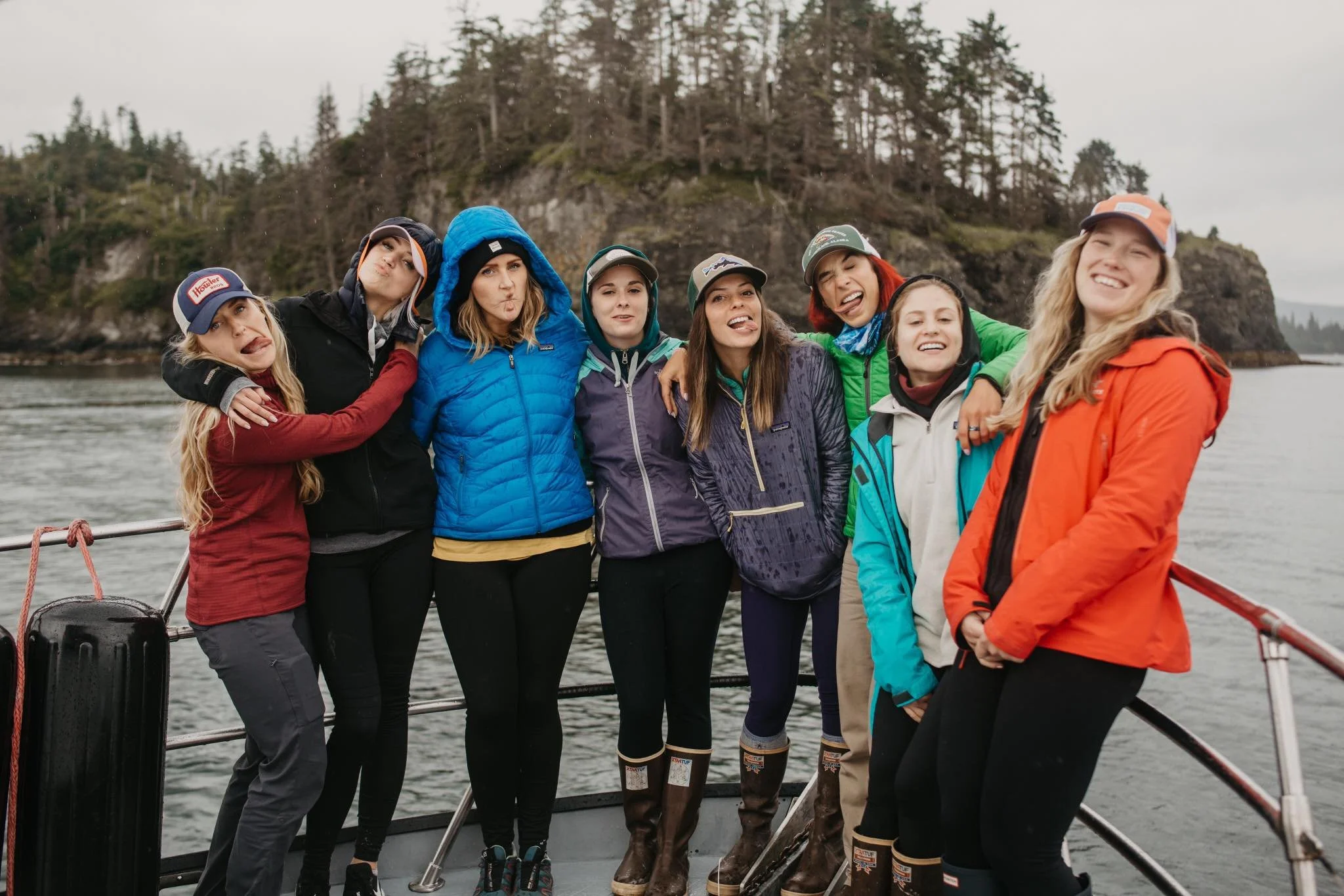
Homer is not your typical tourist destination. The roads aren't all paved, the weather doesn't cooperate, and the best experiences require a boat ride and some mud on your boots. That's exactly why people love it.
The visitors who get the most out of Homer are the ones who slow down, stay long enough to find their rhythm, and say yes to the unexpected — the tide that shifts your plans, the eagle that lands 10 feet away, the conversation with a local that changes your whole itinerary.
Give it three days minimum. Come with layers and an open schedule. Book your bear viewing early.
You'll be back.
